
One of the traditions of an custom anime portrait has always been reflection. A hairstyle that feels right. Eyes suggest confidently, mischievously, calmly. A gesture which speaks louder than any words can. What now varies is the way that reflection behaves when it is in existence. The AI video generator does not depersonalize the image by introducing a lot of movement in it. The character breathes, winks, changes weights, and boom, he/she feels like he/she is there. It is not a deception and a glitzy effect. It is a silent enhancement that intensifies emotional interest and draws the art to the individual who inspired it.
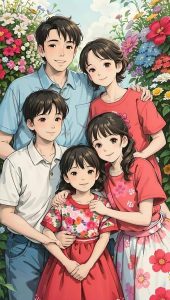
Anime art is discussed as one that is behind glass. Beautiful, loved, and aloof. Motion breaks that barrier. The portrait ceases to be a file in a device and instead becomes like a moment you can revisit. You open it and there he is with that face of his, still alive in some little circle. It is intimate in a manner that two-dimensional pictures can hardly achieve. As though it were a memory the same as a memory, without leaving.
Human Spark Inside Custom Anime Art
Personality has always been popular among custom anime art. Artists pose questions, read in-between and listen to what is important. That part stays sacred. The AI video generator does not displace it. It builds on it. Imagine it is like blowing wind into a flag. The design already has a meaning. The only thing that movement does is to allow it to speak louder.
Subtle choices matter here. A placid personality may be also very slow, almost lazy. One of them could be a fire person who is tense in the shoulders. The decisions that are made influence the manner in which viewers interpret the portrait within seconds. It is a second level of narration. It is innate to people to react to it as they do in actual life in body language. Such a response is genuine and direct.
When Portraits Begins to Know You
It is a weird affair that an individual can tell after viewing his/her animated portrait first. It feels like recognition. No surprise, but identification. Even when the character is blue haired and has glowing eyes, they think it is them. Motion bridges that gap. It adds rhythm. It adds timing. Things like those put a face in place.
This is a response that animations have when it comes to portraits lingering in the minds of people. An image picture could win a glance. A moving one earns a pause. That pause is precious. It leaves room to emotion, humor or silent pride. People replay the clip. They observe things that they never did before. The portrait turns out to be a little friend instead of an ornament.
Artificial Intelligence Anime as a Shortcut
At some point, motion was added in weeks or in mastering complicated software. Numerous artists shunned it due to the heavy price. The balance of AI anime art is changed. The barrier drops. Experimentation is less heavy. An artist can experiment with an idea and see it move and make corrections without any stress.
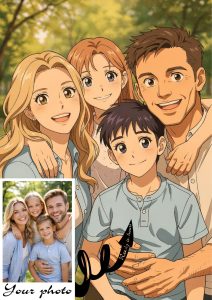
This freedom alters the way of thinking of creators. They do not ask themselves whether they can afford to animate this, but, What would happen, asked, should this move like this? That question invites play. Play leads to discovery. Invention makes creative work fresh. The audience senses such power, although they may not be able to identify it.
Personal Narratives of No Dialogue
Words often get in the way. Anime has always known this. One of its most powerful scenes occurs when it is silent. A glance. A pause. A breath before action. That language is borrowed by animated portraits. They are narrative stories without subtitles or narration. The gaps are filled in by the viewer using their experiences.
Even a little circuit may hint at mood, history, even conflict. The character that turns away before you stare at him/her may give a clue that he/she is shy or remorseful. Determination can be indicated by a direct gaze. These clues are natural since they are realistic in terms of interaction. That familiarity helps one to easily relate to the portrait even when he gets the first glimpse of the portrait.
What Makes People share Moving Portraits More?
Art sharing is a process of being understood. A portrait is easier to send to another person when it is on motion. The sender does not type it out but just says, “This is me,”. Friends view the clip and react to it instead of analysing. They laugh. They remark the phrase. They are welcomed into the time.
This practice reoccurs over and over on social sites. There are animated pictures of the portraits that scroll silently. They are not screaming to notice them. That balance matters. Bright images wear out the audience. Gentle motion draws them in. It feels human, not forced.
New Life to Custom Commissions
Anime portraits commissioned previously had an obvious end. The day of delivery came, files were uploaded and the project was closed. Motion extends that journey. The same character may be used in short films, profile animations or miniature story teasers. The differences between the versions can be noticed as a new chapter with the same background.
Clients enjoy this flexibility although they might not have intended it. They perceive their character adjusting to new environments and atmospheres. It has the sensation of value that builds up instead of being lost once the initial unveiling has occurred. Artists benefit too. Their work continues to be seen and to travel more because of shares and reposts.
Stories That Stay With You
An animated portrait does not require concentration. It earns it. The loop plays. The character breathes. You spend more time in front of the TV. That silent tug is why these portraits are moving. They are stories that were cut short in the middle of a sentence so that you can hear.

When people develop that feeling, solitude will not be sufficient. Motion adds warmth. It adds presence. It provides that spark which makes a picture a personal story that you would like to re-read and re-read.