
Storytellers have been seeking improved means of telling stories since the days of charcoal on cave walls through ink-stained notebooks to programs that keep the computer humming past midnight. The focus is now directly on anime generator ai, particularly when combined with a video creator that knows how to pace, feel and the subtle influence of a lingering frame. It is not a question of pressing buttons to glitzy videos. It’s about shaping moments. A glance held too long. A pause before the rain hits. The wrong time when a character catches his breath. These systems enter that creative space in a very sensitive manner and this provides artists with a means of sketching emotion and refining it.
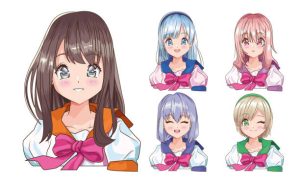
Suggestion has always worked best with anime. One still picture can provide a clue to a whole back story. AI anime artistic aids are tilted towards that tradition. Their images are home-lived and scratched and bruised along the corners, much like a tabloid. Once action is introduced by a video maker, these pictures cease to be ornamental and begin to perform a narrative task. Scenes connect. Time stretches thin or snarls up. It is less automation and more like you have an unwearying partner who never spills coffee on your keyboard.
Custom Anime Art as a Shortcut Story
Custom anime art would take weeks of drafts and revisions. Numerous artists were fond of that grind, though time constraints seldom felt the same. The balance is changed by AI-based anime art. You define the stance of a character, the age of a character or the emotional gravity of a character and the system will give you visual alternatives that will give you an idea rather than shut it off. It is sort of throwing a handful of concept drawings on the table, and debating with the self over which one of those seems right.
Speed transforms the habit of storytelling. Authors have an opportunity to experiment with visual color. Moviemakers have the opportunity to preview scenes and make investments. Even individual creators have the opportunity to think in cinema without having to borrow the goodwill of friends. The art isn’t flat. Shadows fall with intention. Colors palette speaks of genre. These frames are then breathed into sequences by the video creator layer. Minimal camera movement, disarmonious transition, and timing make scenes come to a point rather than a crash.
Video Production Respecting Pacing
Everyone who has worked on video realizes that pacing matters. Evaporates too fast and meaning. Too slow and viewers drift. The video creators who use AI and develop to create anime give attention to rhythm. They also propose frame timings that coincide with emotional beats. They do not make everything syrupy. It is always possible to overrule decisions, naturally, but the default action is considerate.
Consider that it has a silent editor. The character looking through the window does not require a jump cut on a regular basis. The narrative requires silence at times. Ai systems that are trained on anime aesthetics understand that intuitively. They are not hysterical when nothing happens on screen. they allowed atmosphere to do its own.
Script Notes to Visual Mood
A margin of notes such as soft light, tense pause, awkward smile, etc. usually remain abstract. The scribbles are transcribed into images by AI anime art tools. You may try what is meant by soft light: whether it is pale morning colours or dark amber shadows. The video producer sews these tests together in crude cuts that provide responses to questions before production has even happened.
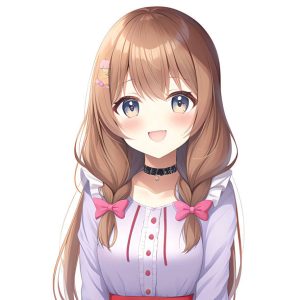
It is back-and-forth that drives creativity. Authors rewrite speech having observed the expression of a character. Animators make adjustments of motion when they feel the feeling of a scene as it moves along. The process feels playful. You do something strange, see it not do, laugh and do it again. That loop is a better story builder than was ever done by rigid planning.
AI Anime Art of Individual Artists
It is a quiet revolution that is occurring amongst solo creators. Anime-style videos are now created by people working out of bedrooms, cafes or cramped studios, where previously they used to be made by teams. AI anime art reduces the barrier without smoothing out ambition. It is possible to create characters with the same traits in different scenes. You do not have to be lost in reference pages to create any visual continuity.
The video producer turns into one of your timekeepers. Drop in scenes. Adjust timing. Play with music or sound. The technology does the monotonous work as you concentrate on plot decisions. It is the difference between hours spent in getting frames put together and minutes in deciding whether a character is going to turn away or to face the truth.
Humor, Flaws, and Human Affection
Sameness is one of the fears that is often expressed. Will AI anime art turn all things the same? This question will be answered depending on its use. These are tools and not commandments. Workers who stretch, modify and even compromise the products receive work that seems personal. A crooked smile. A slightly off color choice. The wait that is too long between when it is too long and when it is just right.
Lean into imperfection brings some of the best results. AI could produce a background that is disturbingly lonely. A creator may put silence on the scene instead of repairing it. A joke is more successful when the room is empty. There is a stronger impact when a confession comes when the world is somewhat frozen in time. Humor sneaks in the same way. A theatrical face or a time anomaly will make a scene to be memorable.
A Change in Radical Optimism
The psychological change is likely to be the most significant. Being able to have access to personal anime art and have a competent video creator helps build confidence. Ideas feel doable. Tales are more personal to the screen. That is the confidence that reflects in the work. Scenes become bolder. Choices get clearer.
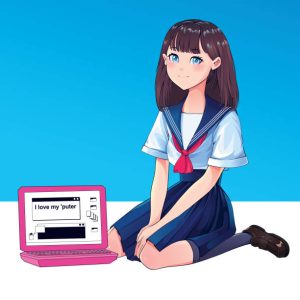
Anime narrative has been a matter of emotion and effects. The creators of AI anime art and video do not disregard that tradition as long as they are used with a purpose. They are fast without being hasty. They do not polish out character. These tools in the hands of caregivers of stories become less automatized and more possible.