
From Random to Creative
The typical experience with an anime character generator is like opening a magic box and getting a coin toss. Sometimes the results are intriguing – hair of a different colour, a costume that would never be put together, a facial expression that feels oddly like it carries a story. Other times it’s a hot mess of conflicting elements like three characters got into a blender. Here’s the thing: both results are helpful. The good outcome provides a basis. The bad output gives you a vision of what you want to avoid, which is often a far more valuable lesson than the good. In any case, you are making progress, which is more than a completely blank page yields.
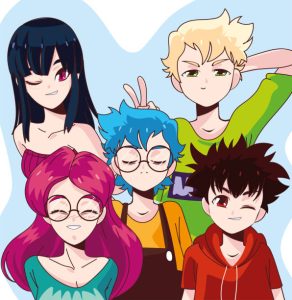
The point of a generator is not the product. It is the friction it provides. If you see a character created by a generator and you have any reaction – even that they are “completely wrong and here is why” – you have just learned something about the actual character you want to design. That reaction is information. Custom anime art is constructed on top of the specific, hard-won knowledge about a character’s design.
Random Generation is Better than a Blank Slate
When designing a character from scratch, there is a certain kind of freeze that can occur. So many possibilities, no rules, endless possibilities. Seasoned character designers are all too familiar with this situation, and most have their own tools to combat it – mood boards, genre limitations, constraints. A generator does that for you, and it does it blindly, so it can be a very helpful unblocker even if the result isn’t much to look at.
It’s a lot like a writing prompt. The prompt doesn’t write your story. It provides an obstacle for your brain and the story it generates is usually more compelling than the one you would have come up with on your own. An image generator does the same thing. It says: here is a character with purple hair, a robotic arm, and what looks like a suit and tie. Now what can you do with that? And off you go solving problems rather than facing the creative abyss, which is where you want to be.
It’s the crazy combinations that generators make useful. By yourself you are likely to combine things that are familiar and reasonable – things that you have seen before and that make aesthetic sense. A generator has no such biases. It puts things together that shouldn’t go together, and sometimes it works. A gentle, pastel-hued character with edgy clothes. An obviously evil profile with friendly, welcoming colours. These are the ingredients of interesting character design, and they are difficult to come by on purpose.
Getting the Generator Output to Somewhere
There is a limit to what generators can generate and it’s sooner than you think. The output is structural – shapes, colours, approximate proportions. It cannot produce a sense of character that has lived a life. That’s what hand-animated characters do, and they don’t add it with decoration. It adds it through the artist’s interpretation of the character; when they take the generator’s work and ask themselves: who is this character, and how can I show it?
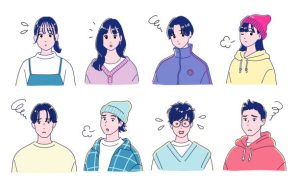
The first place you see character depth in a full body figure is posture. A generator might put a character in a default standing pose. A master artist considers all of the other design elements – costume, face, palette – and asks what would be the legitimate posture for someone who wears and looks like this. Is the stance forward, an active person? Back on one heel, observing before moving? These are subtle physical decisions that provide a lot of information about the character without the need for dialogue.
The face is where anime art excels the most over other types and where generators – as helpful as they are as jumping-off points – need to be abandoned. Anime face design is a delicate dance. Eyes convey emotional valance – rounder eyes are seen as trusting and friendly, more angular eyes suggest distrust or passion. The brow controls mood. The interplay of all these details, and how they are drawn relative to each other, will determine whether a character is warm or cold, trustworthy or menacing, innocent or jaded. A generator approximates this. A skilled artist in the genre executes it purposefully.
Inspiration in the Custom Art Process
Inspiration is not a lightning bolt. It is a crawl, walk, run of references, reactions and illuminations that grows and builds over time. The generator is one such input. A mood board is another. Genre images, colour palettes, poses from other characters that have the right feel for what you want – all of these contribute to the dialogue between you and the artist who will be creating the final piece and the quality of that dialogue is what determines how close to your vision the final piece will be.
The best way to describe what you want from a generator to custom art is to focus on how you want it to feel. “I would like her to look exhausted but not hopeless” tells the artist more about your intentions than “she needs bags under her eyes”. “He should look like someone who is three moves ahead of everyone else in a discussion” is better than “give him a shrewd look”. These emotional briefs are more difficult to write than visual briefs, but they are better for art because they tell the artist what to aspire towards rather than what to mimic.
Another potential source of inspiration is a character’s color story. Colors have meanings that are subconscious: a person will feel a meaning before they can articulate it. Earth tones with muted shades, and the occasional glint of warmth, are different than high-saturation primaries. A generator will give you one chance story. Custom art allows you to choose and build them, to establish a palette that draws out your character’s personality, not fights with it.
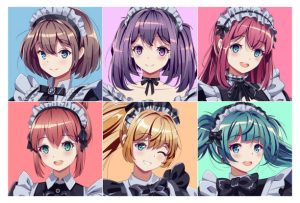
A generator and custom anime art create, ultimately, a portrait of an idea. The idea is in your mind, a vague cloud, more emotion than image. The generator gives it approximate shape. The artist gives it detail and character. Each stage is necessary. None of them is enough. It is a tripartite process that involves a tool, an artist, and someone who knows the character better than both – and that is always you.