
It has a silence thrill, which stirs when you open an anime characters creator and start to make some version of yourself, which is not bound by any rules. Initially, it is light as though it is time going by, grabbing features, fiddling with colors, trying out expressions simply to know what will occur. But then something shifts. The character begins to think of decisions that are no longer random. You make minor adjustments to pose, drape the eyes, straighten the pose, and in a few seconds, you seem to be experiencing a different side to yourself that does not necessarily manifest itself in everyday life. Custom anime art no longer focuses on the design but discovery, as with trying on an identity as you would trying on outfits, except those are made somewhere deeper.
The Liberty of Remaking Your Image
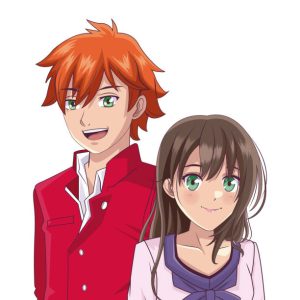
Real life can feel rigid. Labels stick. Expectations linger. However, it is none of that within custom anime art. You are able to reconstruct yourself anew without permission or explanation. Prefer to look more confident? Adjust the stance. Want to feel calmer? Soften the expression. Any alteration is a minor rewrite.
It is strangely refreshing that freedom. It is as though it were another dimension in which everything is not definite, in which being something is not pointless, but a flowing state. You are not correcting your identity. You are searching to discover what you might be.
Minor Alternations Disclosing Major Realities
And it is hardly ever the grandiose alterations which strike the most. It’s the small ones. Such a minor movement as the chin can change the whole attitude of a character. Farther sight may change coldness to love. Such details may appear insignificant but they have a weight.
And here’s the strange part. Such decisions tend to tell about something. The decisions are not made out of nothing even though you may not intend to plan it like that. It is like your intuition is talking and your brain is catching up.
The Version You Do Not Tend to Show
All people have layers that they do not necessarily unveil. Others are retained because it has become customary, and others because it is a necessity. Custom anime art provides such secret layers with the way out. You can make a copy of yourself that is more daring, more silent or more brash or more gentle without having to explain.
That version is at other times like a stretch. It is sometimes too true to the touch. You know you have struck something when you do that.
Style As A Personal Language
The way of dressing speaks more than anticipated. A simple, uncluttered appearance may be serene and reserved, whereas a more textured and layered one may imply the complexity or the intensity. These are not mere physical preferences. They are a mirror of yourself, or what you wish to be.
When you finally find a style that works, then all the other pieces fall into place. Colours, pose, expression, they all start to assist that direction. It ceases being accidental and begins to be purposeful.
Emotion Leads The Process
Logic can only take you so far. Emotion at some stage prevails. You modify something because you feel it is out of place and not because you understand why. You continue to refine until the image is resolved to something that is considered right.
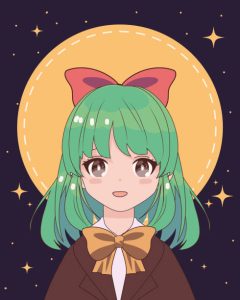
It is that feeling which is the guide. It will influence the end solution better than any regulation or the environment ever will. And once you do, the character begins to bear some weight rather than appear refined.
Imperfection Makes It Real
A perfect character may be so remote that the reader feels like the character is on a shelf and not in a novel. Minor flaws draw them nearer. Something a bit out of line, a shadow that is not quite hanging, these things make it interesting.
Such texture makes the character human. Nor is it perfect, nor beyond touch, simply natural enough to relate to. It is a little alteration, which changes all things.
Color As Mood, Not Decoration
Colors are not merely a way of adorning the picture. They establish the atmosphere before all other things do. Warm sounds may lead to a feeling of intimacy and cool sounds may lead to distance or contemplation. Their relationship determines the mood of the character.
You may believe that you are picking colors by taste, but in most cases you are reacting to mood. With time, trends begin to emerge. Some of these tones continue to appear and those motifs tell you more than you think.
The Backstory You Feel
Of course, you will never write a backstory, but it is still there. It is manifested in posture, in expression, in the tiniest of looks. One character may appear to be confident but a slight bit of tension will indicate that there is something under the rug.
These layers are unnecessarily deep. They make the character experience that they have been through something, though that story may remain untold.
Learning to Work With The Tool, Not Against It
The creator of anime characters works fast, however, it is not a goal. The initial outcome is merely a point of jump. It is the way in which you make it after. You edit, tweak and even begin again.
There is no point in that process going to waste. It is where the personality starts to match your vision. Every modification makes it more intimate than generic.
When It Begins to Seem Familiar
At some point, the character ceases being an experiment and becomes familiar. You pause. You look a little longer. There is a sense of something clicking, you can not explain it.
It’s not about accuracy. It’s about recognition. The character makes itself to be a part of you, as though it echoes some misunderstanding you have been struggling with.
Holding Onto That Version
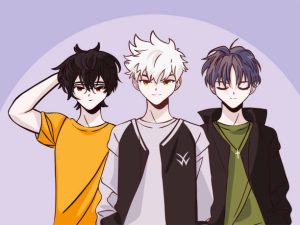
When you have made something personal it remains with you. You may come back to it later, just update some of the details or create a new one that is a reflection of where you are. The process doesn’t end. It shifts, just like you do.
And in between all those little changes, and silent revelations, you begin to view yourself a bit differently. Not fixed. Not final. Open to change, and a bit better understood than before.